
The Art of Food and Cuisine A Culinary Journey
1. A World of Flavors
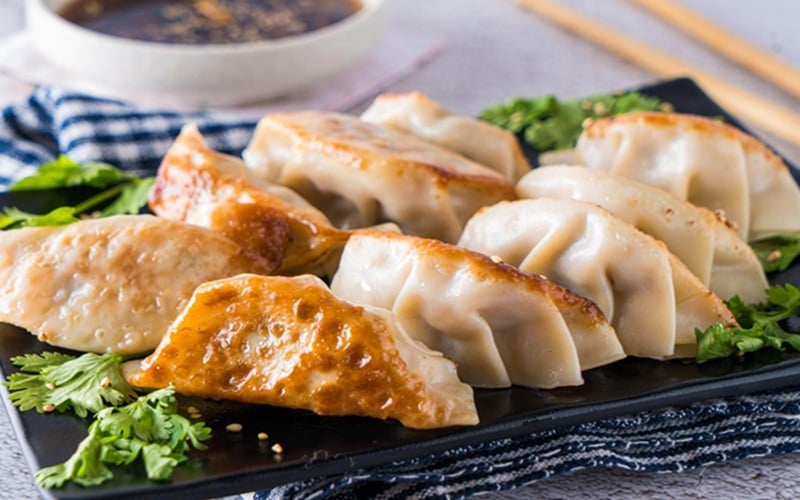
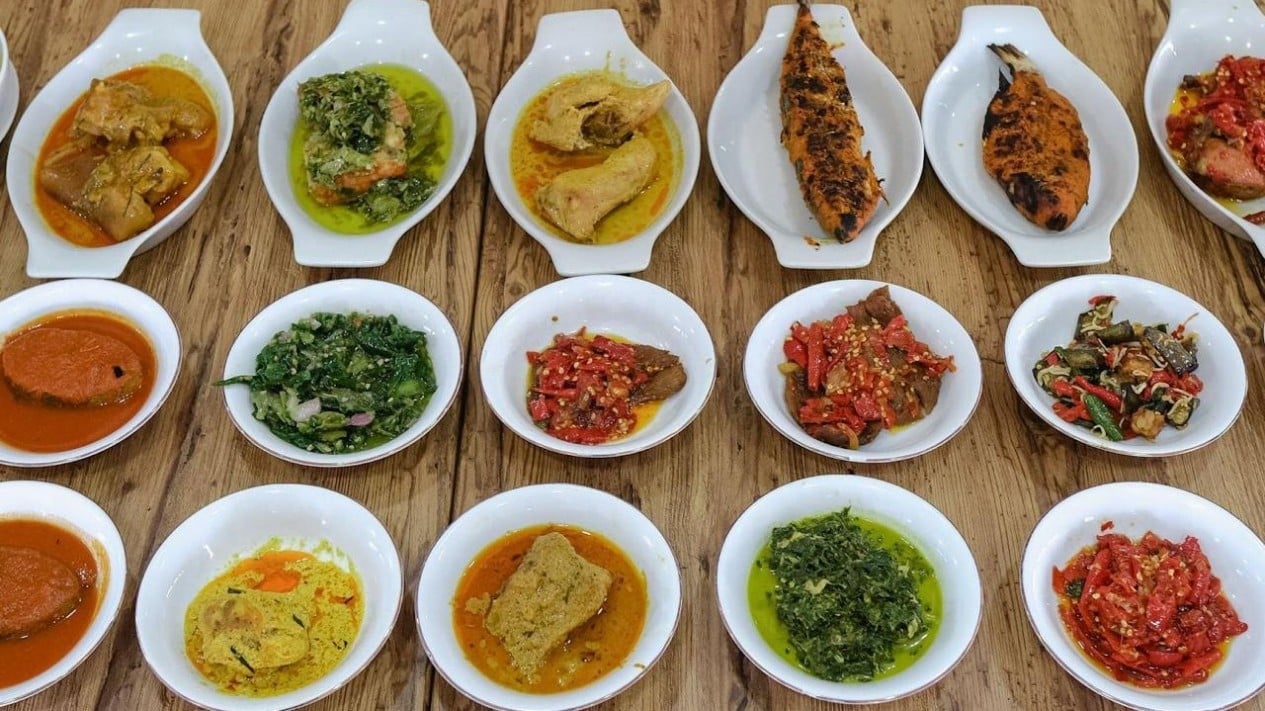
Food and cuisine, the epicenter of culture, heritage, and identity, are universal languages that unite people worldwide. Each region, country, and community has its own unique culinary traditions and flavors, offering a delectable tapestry for those willing to embark on a gastronomic adventure.
From spicy curries in India to savory pasta dishes in Italy, food is not just sustenance; it is an expression of love, history, and tradition. Exploring the world’s culinary diversity is like taking a journey through time and place, experiencing the evolution of human culture and taste.
2. Culinary Traditions
Culinary traditions are the heart and soul of any culture. They are passed down through generations, preserving a link to the past while embracing the present. Whether it’s the art of sushi-making in Japan, the barbecue culture of the southern United States, or the rich and hearty stews of Eastern Europe, culinary traditions are a testament to the uniqueness of each culture.
These traditions are characterized by the use of locally sourced ingredients, distinctive cooking techniques, and the reverence for family and community. They define the identity of a region and reflect the resilience and creativity of its people.
3. The Global Fusion
In today’s interconnected world, global fusion has become a culinary phenomenon. The blending of flavors, techniques, and ingredients from different cultures has given rise to a new era of gastronomy. Fusion restaurants and chefs who draw inspiration from various cuisines are celebrated for their creativity.
For example, the fusion of Mexican and Korean cuisine has led to the creation of mouthwatering dishes like Korean BBQ tacos. Such innovations highlight the beauty of cultural exchange and the way food can bring people together by transcending boundaries.
4. The Role of Food in Culture
Food and cuisine have always played a pivotal role in shaping culture and identity. In many cultures, the act of cooking and sharing a meal is a deeply rooted tradition. It’s a way of nurturing relationships, celebrating milestones, and preserving memories.
Take, for example, the Thanksgiving feast in the United States. Families gather around the table to share a meal that includes dishes with historical and cultural significance. In China, the Lunar New Year is marked by a reunion dinner, a time when families come together to celebrate and strengthen bonds.
5. The Future of Food and Cuisine
As we move forward into the 21st century, the world of food and cuisine continues to evolve. Sustainability and environmental consciousness are becoming increasingly important considerations in the culinary world. Farm-to-table dining, plant-based diets, and zero-waste kitchens are gaining momentum as we recognize the impact of our food choices on the planet.
The integration of technology into the culinary world is also changing the way we prepare and experience food. From 3D-printed meals to virtual reality dining experiences, technology is revolutionizing the culinary landscape, offering new ways to engage with food.
In conclusion, food and cuisine are not merely about nourishment; they are the embodiment of culture, history, and innovation. Exploring the diverse culinary traditions and global fusion in food is a delightful journey through the heart of humanity’s shared experiences, and it’s a journey worth embarking upon. So, whether you’re savoring a dish from your own cultural heritage or trying something entirely new, remember that food has the power to connect us all and enrich our lives in countless ways.