
Navigating Untouched Waters: The Ultimate Traveler’s Guide to Raja Ampat
Raja Ampat: A Hidden Gem in the Heart of the Coral Triangle
Raja Ampat, an archipelago in Indonesia, is a pristine paradise that beckons to intrepid travelers seeking an untouched and vibrant marine wonderland. This comprehensive guide aims to unravel the mysteries of Raja Ampat, from its breathtaking underwater landscapes to the rich cultural experiences that await those who embark on a journey to this remote gem.
Introduction to Raja Ampat
Discovering Raja Ampat: Indonesia’s Crown Jewel of Biodiversity
The Coral Triangle: A Global Epicenter of Marine Life
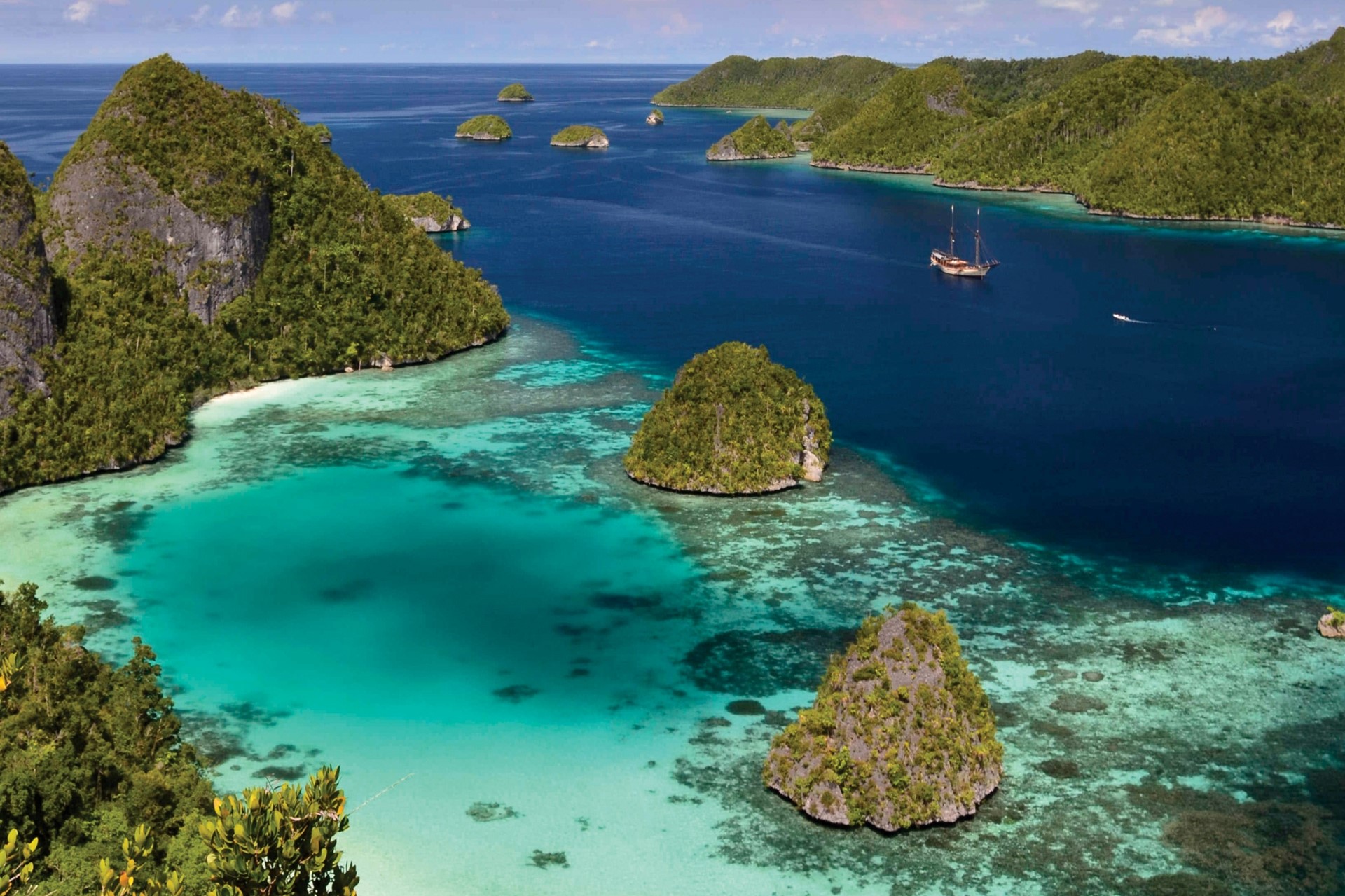
Nestled within the Coral Triangle, Raja Ampat is renowned as one of the most biodiverse marine ecosystems on the planet. This archipelago comprises over 1,500 islands, each surrounded by crystal-clear waters teeming with an abundance of marine life. The sheer diversity of coral species, fish, and other underwater inhabitants make Raja Ampat a paradise for snorkelers, divers, and nature enthusiasts.
The Underwater Symphony
The underwater world of Raja Ampat is a mesmerizing spectacle. Vibrant coral gardens, kaleidoscopic fish, and elusive sea creatures create an otherworldly experience for those exploring the depths. Divers can encounter schools of fish dancing in unison, majestic manta rays gliding through the water, and rare species such as the walking shark. With over 75% of the world’s coral species and a staggering array of marine life, Raja Ampat stands as a testament to the importance of preserving our oceans.
Planning Your Raja Ampat Expedition: Practical Tips and Insights
When to Go, How to Get There, and Essential Preparations
Choosing the Right Time to Visit
Raja Ampat’s tropical climate means that it can be visited year-round, but the best time for diving and snorkeling is during the dry season from October to April. During this period, the visibility is at its peak, allowing travelers to fully appreciate the underwater beauty. However, planning around personal preferences, such as avoiding peak tourist seasons, can enhance the overall experience.
Navigating Logistics
Getting to Raja Ampat requires a combination of flights and boat transfers. Most travelers fly into Sorong, the gateway to Raja Ampat, and then take a boat to their chosen island. It’s advisable to book accommodations and transportation well in advance, especially during the high season, to secure the best options and ensure a smooth journey.
Accommodations in Paradise: Choosing the Right Stay
Resorts on Remote Islands
Raja Ampat offers a range of accommodations, from eco-friendly beach resorts to overwater bungalows. Many resorts are strategically located on remote islands, providing an intimate and immersive experience with nature. Travelers can wake up to the sound of waves, enjoy panoramic views of the ocean, and have easy access to some of the best dive sites in the world.
Liveaboards for Diving Enthusiasts
For avid divers, liveaboards offer the opportunity to explore multiple dive sites and remote areas of Raja Ampat. These floating hotels provide a unique and adventurous way to experience the archipelago, catering specifically to those who want to maximize their time underwater.
Beyond the Waters: Cultural Encounters in Raja Ampat
Meeting the Indigenous Communities and Exploring Local Traditions
Interacting with the Papuan Communities
Raja Ampat is not just a haven for marine enthusiasts; it is also home to indigenous Papuan communities. Travelers can engage in cultural exchanges, witnessing traditional dances, learning about local customs, and gaining insights into the unique way of life of the islanders. Respect for local traditions and a genuine interest in the community’s well-being can create meaningful connections and contribute to sustainable tourism.
Exploring Hidden Caves and Ancient Rock Art
Raja Ampat’s cultural richness extends beyond the coastal communities. In some of the archipelago’s remote islands, hidden caves reveal ancient rock art, offering a glimpse into the region’s historical significance. Exploring these sites with local guides adds a layer of cultural and historical appreciation to the journey.
Preserving Paradise: Responsible Tourism in Raja Ampat
Conservation Efforts and Responsible Travel Practices
Protecting the Coral Reefs
The extraordinary biodiversity of Raja Ampat is fragile and requires responsible tourism practices to ensure its preservation. Travelers are encouraged to follow sustainable diving and snorkeling guidelines, including the use of reef-safe sunscreen and avoiding contact with marine life. Contributing to local conservation initiatives and participating in organized clean-up efforts can further support the protection of this marine paradise.
Respecting Local Communities
Responsible tourism also involves respecting the local communities and their traditional territories. Travelers should be mindful of cultural sensitivities, seek permission before taking photographs, and support community-based tourism initiatives that directly benefit the indigenous people of Raja Ampat.
A Journey to Remember: Leaving Raja Ampat with Lifelong Memories
Reflecting on the Natural Beauty and Cultural Richness of Raja Ampat
As travelers bid farewell to the pristine waters and lush landscapes of Raja Ampat, they carry with them not only breathtaking photographs but also a profound appreciation for the delicate balance of nature and culture. This hidden gem in Indonesia leaves an indelible mark on the hearts of those fortunate enough to explore its underwater wonders and engage with its vibrant communities. A journey to Raja Ampat is not just a vacation; it’s a transformative experience that lingers in the memory, inviting travelers to reflect on the importance of preserving our planet’s most precious and untouched corners.